
Never cooked Japanese food before? You have no idea what condiments to buy or where to buy them? No worries, you will be surprised how little is needed to cook simple Japanese food (If your goal is to recreate a dish you tasted at a Michelin star-rated Japanese restaurant, you are in the wrong place!). Below is a list of some of the basic condiments/ingredients we use in daily Japanese cooking (in order of priority). Other than soy sauce, which is used in most Japanese dishes, nothing is essential. So hold off until you find a recipe that requires it and that you want to give a try!

Soy sauce (醤油: /shōyu/) This is by far the most essential condiment in Japanese cooking, and it alone can take you a long way. You can buy it anywhere these days, even on Amazon or at your local supermarket. The Kikkoman brand is the Heinz of Japanese brand soy sauces. Super popular but good and affordable.
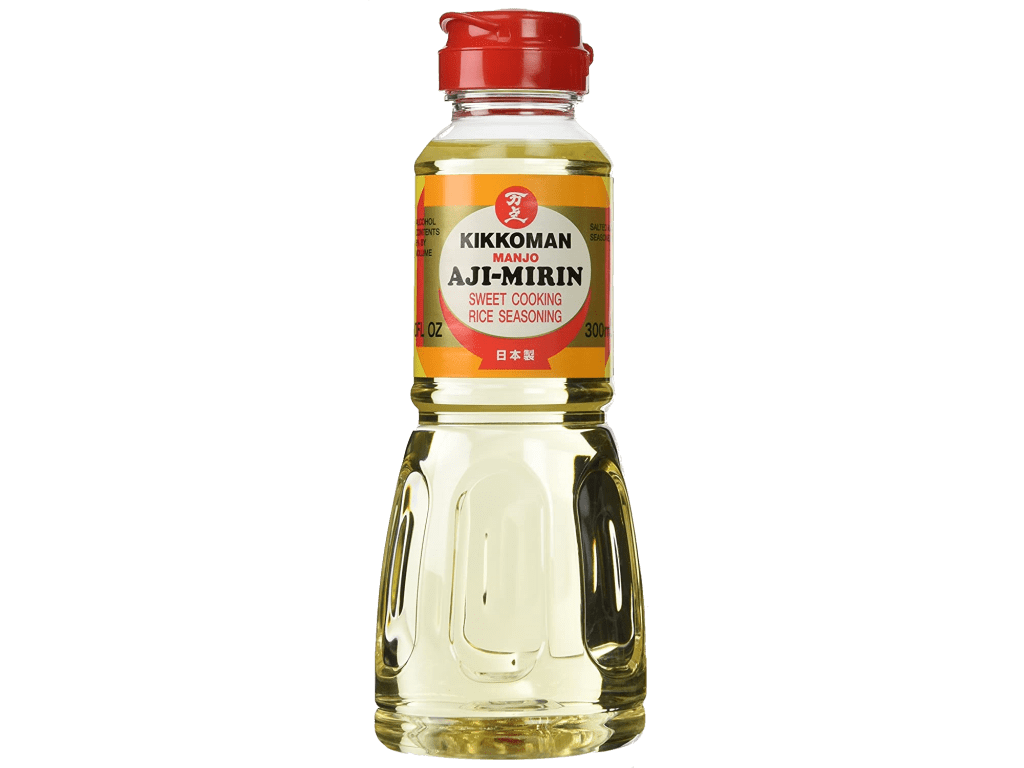
Mirin (味醂: /mɪˈɾɪn/) Mirin is the next essential condiment after soy sauce. It is sweet rice wine, and is used in a similar way to wine in the western world. But it’s somewhat pricey and hard to find in general supermarkets outside of Japan. Amazon sells it, but it’s not cheap. It is not a deal breaker if you don’t have it in your arsenal as it can be substituted with white wine and honey (or sugar) at a 3:1 ratio. Many Japanese expats do this too.
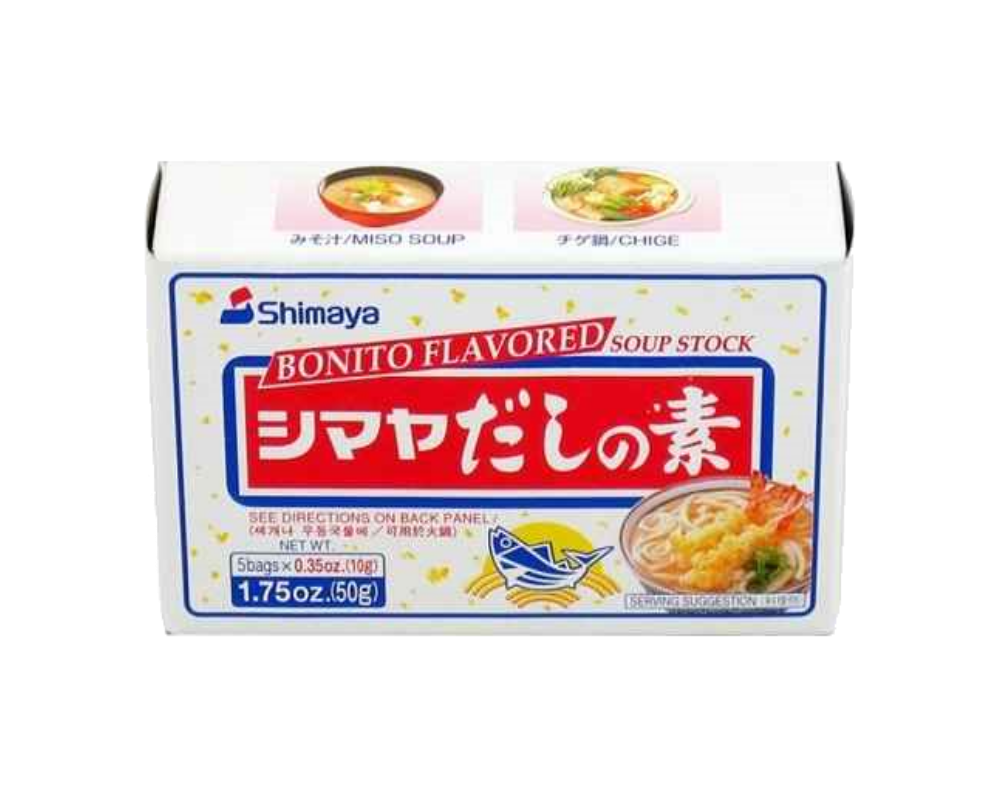
Dashi (出汁: /dä′shē/) Dashi, or the Japanese soup stock, is typically made of fish or a kelp called Kombu, which adds Umami. You can make your own soup stock of course, but when you don’t have time or ingredients, this ready-to-use Dashi power comes in really handy. Shimaya is the Japanese version of Knorr and is sold overseas (usually at a Japanese, Chinese or Asian grocery store). If you can’t find it anywhere nearby, Amazon sells it, too.
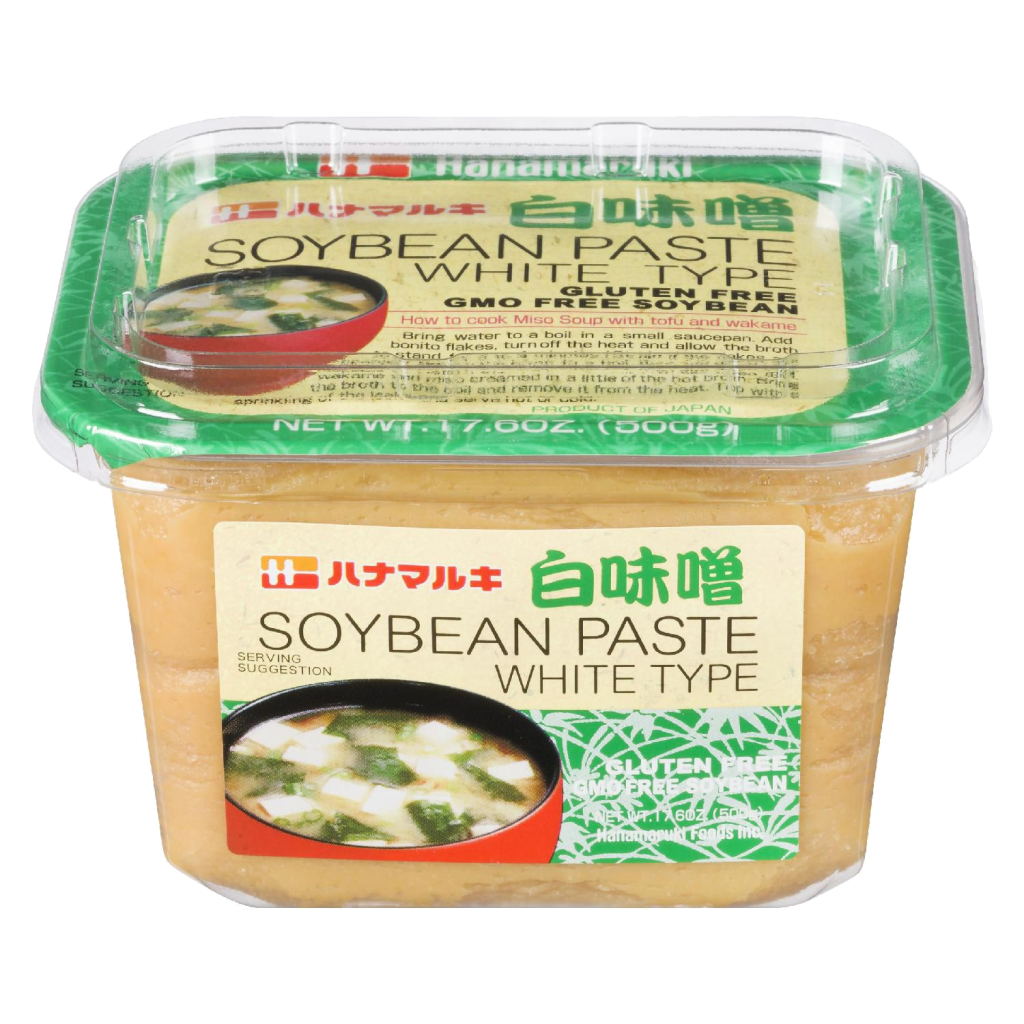
Miso : (味噌: /ˈmisoʊ/) Miso, a fermented soy bean paste, is the key ingredient in miso soup. It can be used in many other recipes too. Miso’s numerous health benefits have recently made it wildly popular overseas, so you may be able to find it in your local macrobiotic store. There is a wide variety of misos, and the one shown in the picture is “Shiro (‘white’) Miso”, which has a mild taste and is the most widely produced.
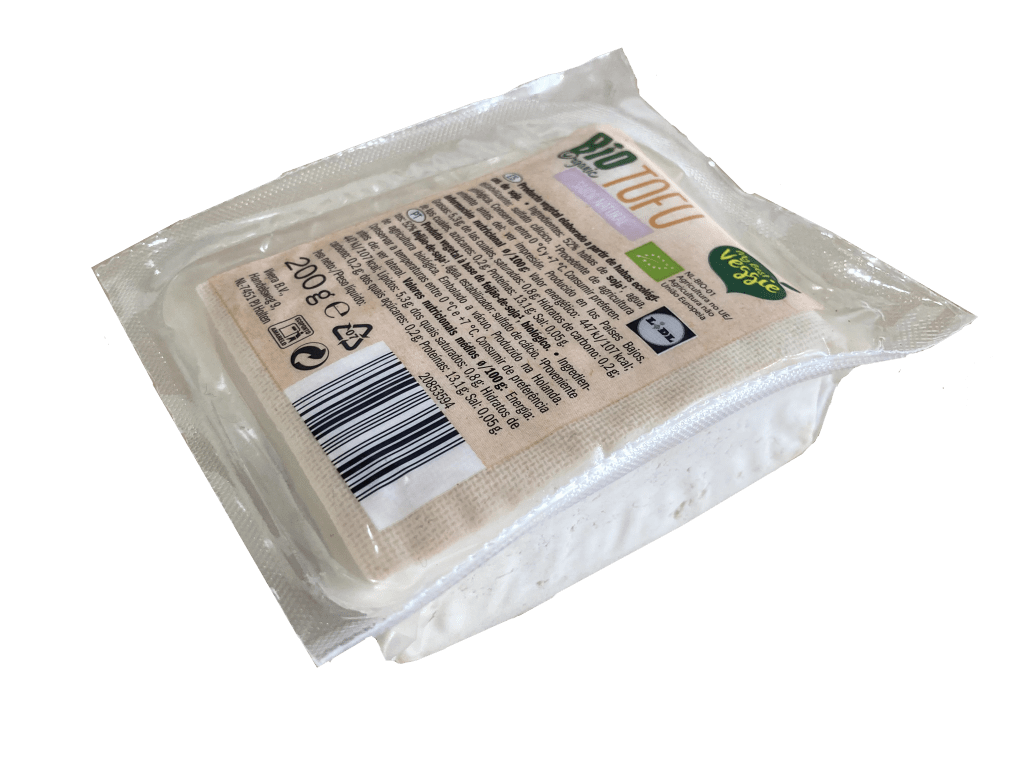
Tofu : (豆腐: /ˈtoʊfu/) Tofu, or bean curd, is basically solidified soymilk, and is usually sold in square blocks. It has a very mild taste but is a great source of protein, while being gluten-free and low-calorie. Tofu has become so popular recently that you can probably find it in local supermarkets in many countries (in the refrigerated section).
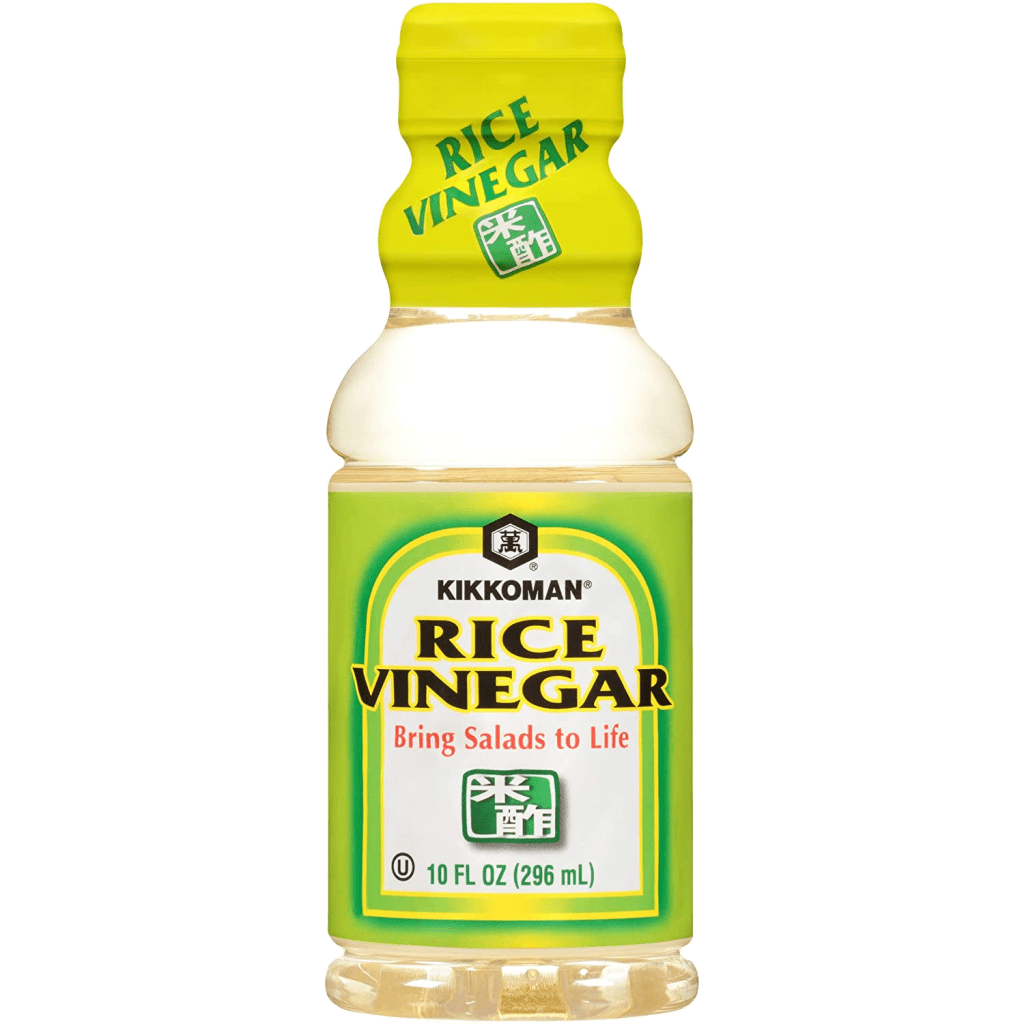
Rice vinegar : (米酢: /ˈkomesu/) The vinegar we use in Japan is made of rice and this is what we use to make sushi vinegar, too. However, it is often more difficult to find than sushi vinegar (which is sold everywhere now) outside Japan, so you might as well just buy a sushi vinegar, instead of making one. Most of my recipes don’t use vinegar anyway, other than the sushi rice. You can also substitute rice vinegar with apple cider vinegar (or white wine vinegar).
Of course, there are a lot more condiments/ingredients that you can use to cook fancier Japanese dishes, but I don’t want to scare you off with a long list, making you think that you need a whole lot of stuff to cook Japanese food, which is not true. The idea of this website is to show you how easy it is to cook Japanese food with the ingredients you can find in your country. Good luck!

 Kazuko's Recipes