

Soba, or buckwheat noodle, is Japan’s most traditional noodle and is far healthier than flour-based noodles like udon or ramen. It can be eaten cold or hot, in a soup or with dipping sauce (“tsuyu“). Here I will show you how to make cold soba with tsuyu (“zarusoba“) If you want to cook soba in a hot soup, follow the recipe for “Udon” and boil soba instead of udon. Conversely, if you want to cook cold udon with dipping sauce, you can follow this recipe, and just boil udon instead of soba.
Cooking time: 15 mins
INGREDIENTS (1 serving)

- Soba: 70-100g
- Water: 100g (100ml or 7 tbsp)
- Dashi powder: 1g (⅕ tsp)
- Soy sauce: 30g (2 tbsp)
- Mirin*: 30g (2 tbsp)
or white wine & sugar/honey (3:1) - [Optional] Seaweed
- [Optional] Wasabi, negi (green onion), ginger, etc.
*If you don’t have mirin, you can substitute it with white wine and honey (or sugar) at a 3:1 ratio.
BEFORE YOU START

You can eat soba with or without topping. The most traditional and simple toppings are seaweed, negi (similar to scallion or green onion), wasabi, ginger, etc. You probably won’t find negi in your country, but any similar green onion should do. Here, I am using “cebollino” which I found in a local supermarket in Spain.
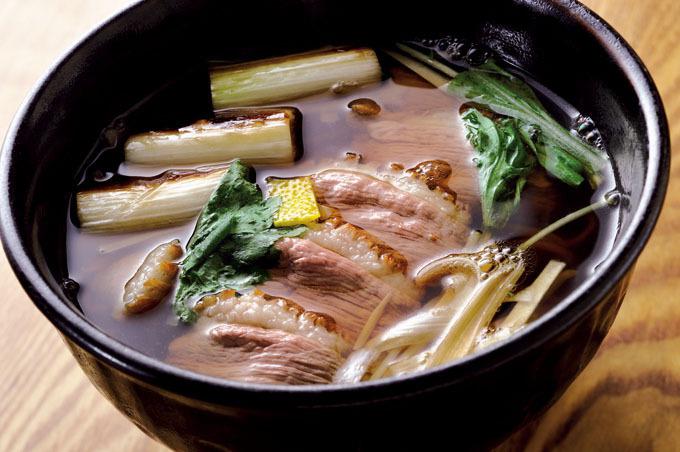
Besides the toppings used here, popular toppings include tempura, mochi, or even duck meat (“Kamo Nanban“)! Soba can be a most simple or sophisticated dish, depending on what you want.
Image credit: Soba Sankyu
NOW, LET’S START!

1. Boil soba. Fill a large pot with plenty of water (not included in the ingredients list), and once it boils, throw in the soba1. No need to add salt. Cook according to the label instructions (mine says 6 minutes).


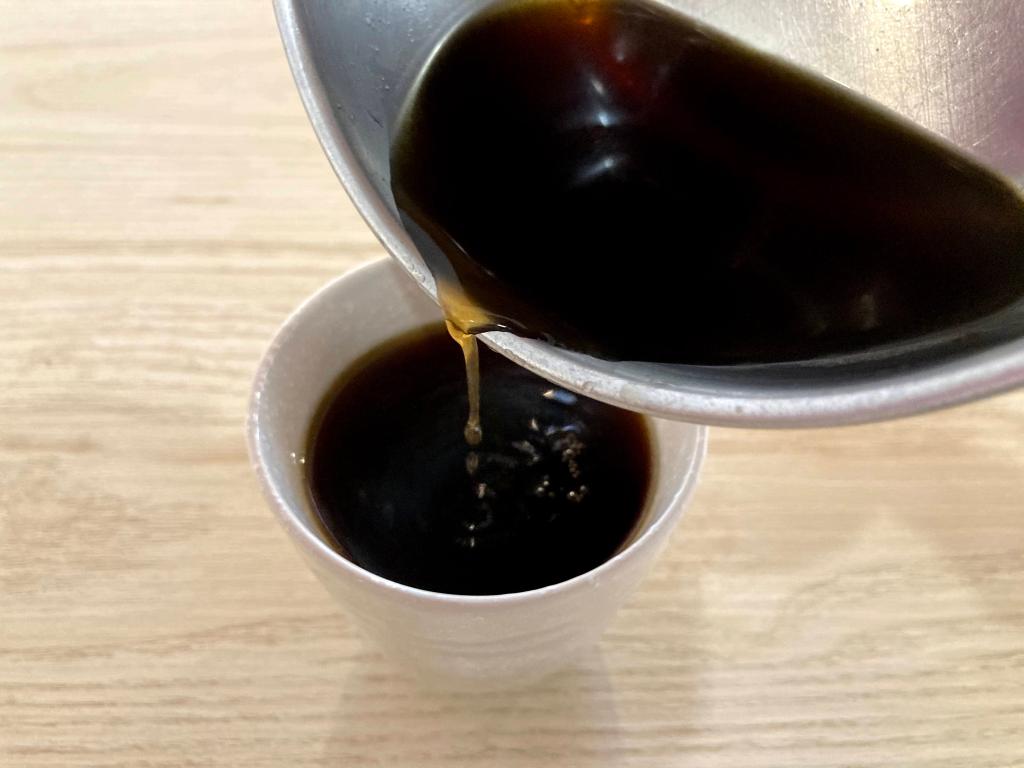
4. Serve. Pour tsuyu in a small cup or bowl, and cool it down at room temperature or in the fridge.

5. Drain and cool it down. When the soba is cooked, drain well and cool it down with cold water. You can set aside a cup of the soba water (“sobayu“), and later add it to the dipping sauce to drink after the meal, which is our traditional way of finishing a soba meal!

6. Serve. Serve soba on a zaru (bamboo basket) or a plate, separately from the tsuyu. You can sprinkle seaweed6 on top of the soba and add wasabi, negi and/or ginger7 to the dipping sauce. Bon Appétit!
Soba is a Japanese food staple. Almost all major train stations in Japan have a soba/udon stand, selling simple soba or udon for as little as $3. On the other hand, you will also find fancy Michelin-star soba restaurants, with handmade noodles and/or shrimp tempura or duck meat toppings, and high price tags. Just google “soba” and learn about the fascinating history and culture of soba!


 Kazuko's Recipes