

Most Japanese people eat miso soup every day, and many have it with every meal. Miso soup is very easy to make and very nutritious (and hearty!). You can add any ingredients of your choice, too. Here, I will show you a recipe using Tofu, the classic ingredient. Tofu has become so popular outside of Japan that it can now be found even in local supermarkets in many countries.
Cooking time: 5 mins
INGREDIENTS (1 Serving)
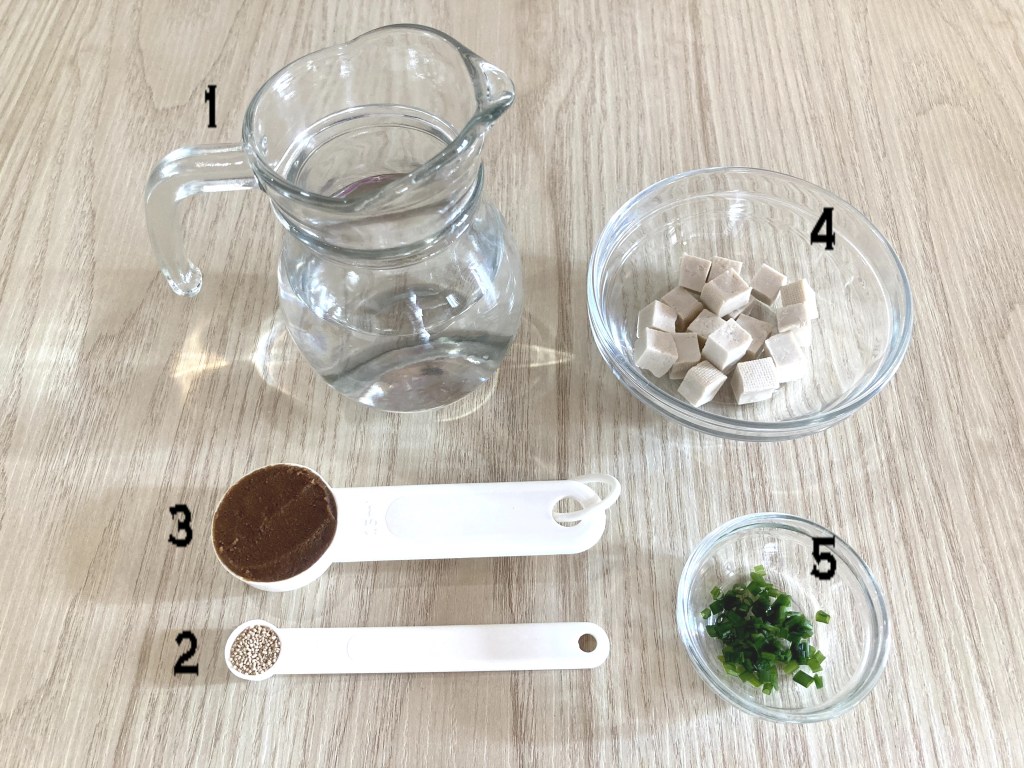
- Water: 200ml
- Dashi power: 1g (⅕ tsp)
- Miso: 18g (1 tbsp)*
- [Optional] Tofu
- [Optional] Negi or green onion
*Adjust the amount of miso to your liking, anywhere between ½ tbsp (9g) and 1 tbsp (18g).
BEFORE WE START
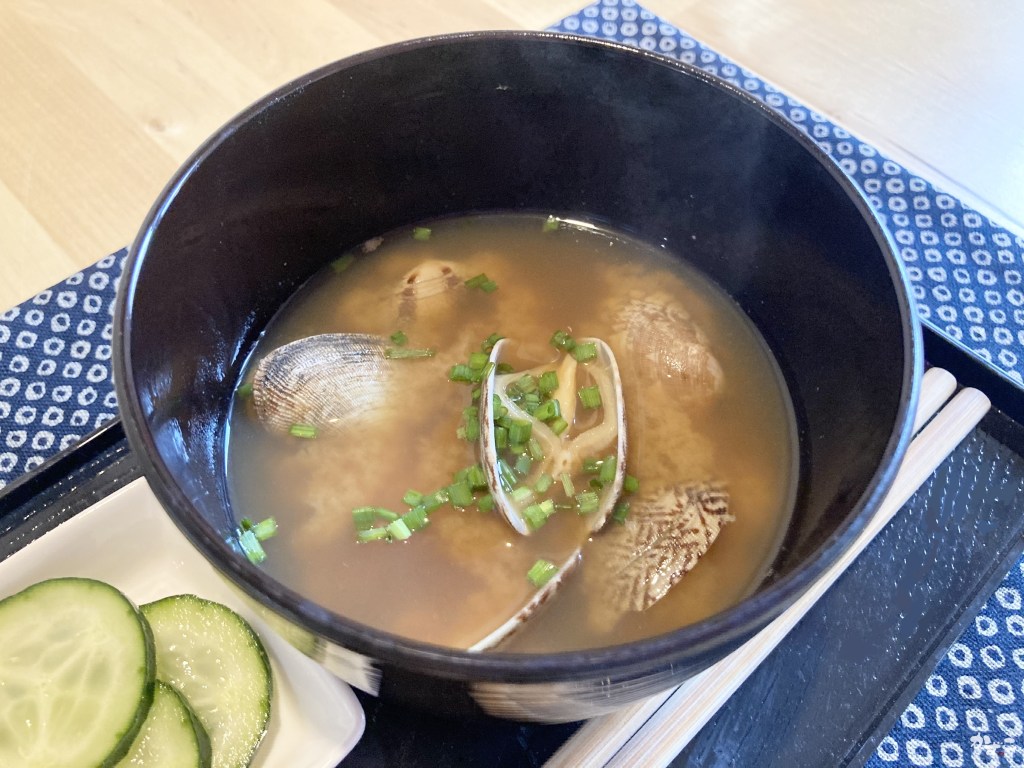
Q. What can I put in miso soup?
I listed tofu4 and negi5 as ”Optional” above, because, depending on where you live, you may not be able to find them. Miso soup is miso soup even if it has no additional ingredients in it, so don’t sweat if you can’t find them. Alternatively, you can simply add any locally available vegetables or seafood of your choice. Onions or potatoes are some popular ingredients, and clams (my favorite) also make for a delicious miso soup!

Q. What type of miso should I use?
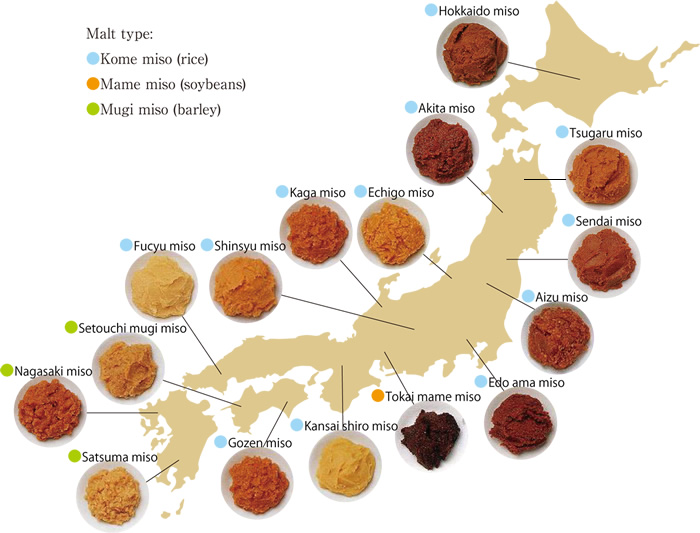
There are a wide variety of miso3 pastes: red, white, yellow, sweet, spicy etc., depending on the region where it is produced (yes, just like wine – see the map below). Try different kinds to find your favorite miso. Here, I am using Aka (“Red“) Miso, which has a saltier, stronger taste and is favored in Tokyo.
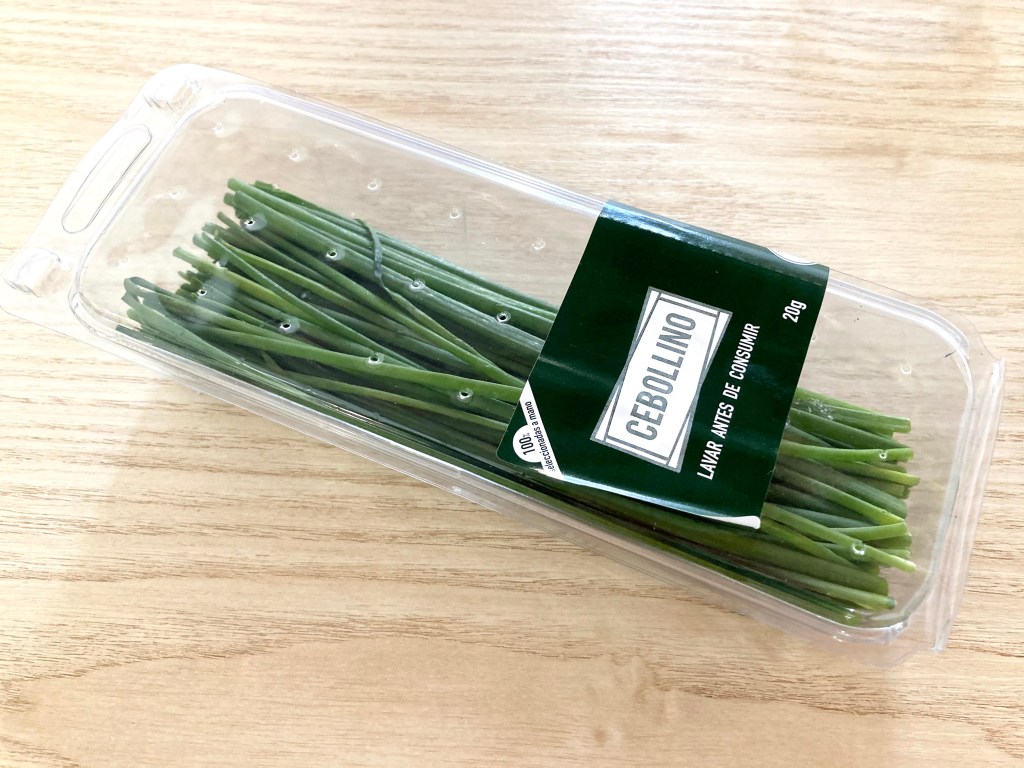
Q. What is Negi?
Negi5 is a Japanese long green onion. If you have trouble finding it (which you probably will), any similar green onion should do. Here, I am using “cebollino“, bought in a nearby supermarket for €1. After washing and cutting into thin slices, you can freeze any leftovers for later use (up to a month or so).
NOW, LET’S START!
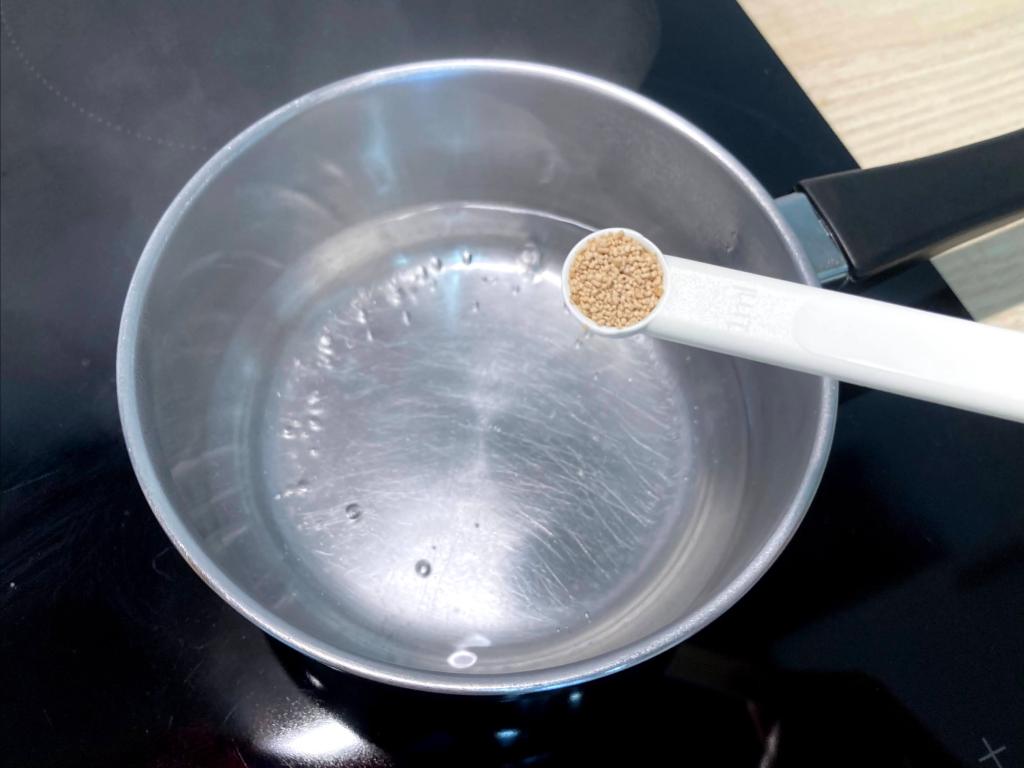
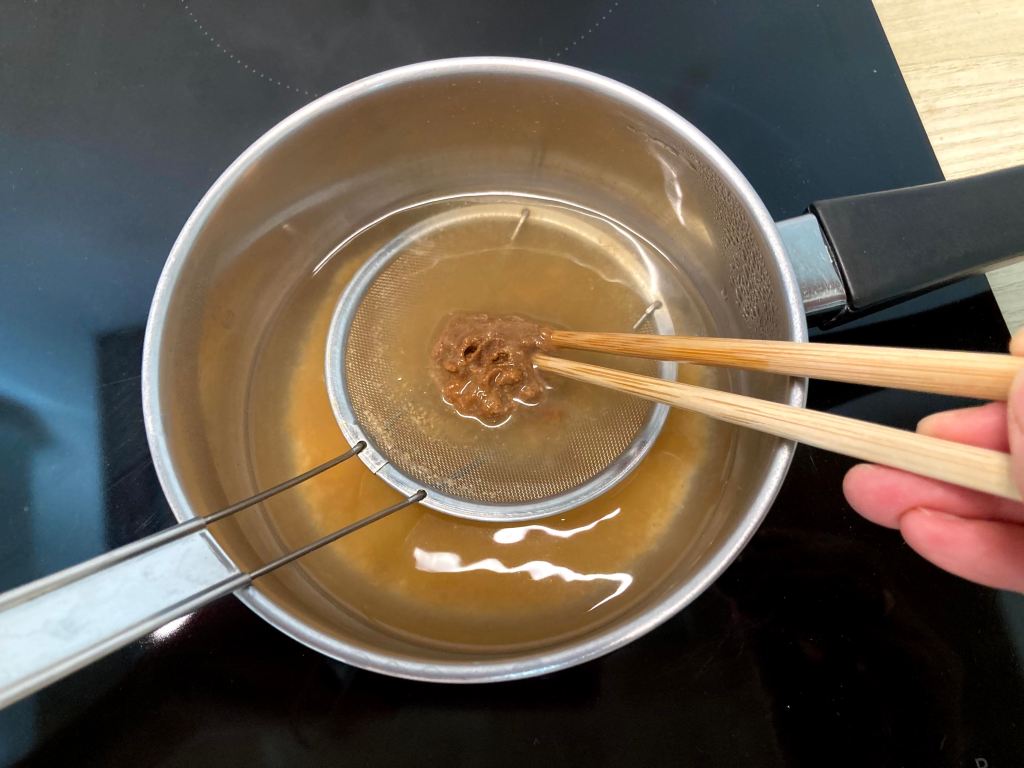
2. Add miso. Reduce the heat to low, and put miso3 in the dashi and mix it well. You may find it easier to use a strainer or spoon to melt it first (or you may get a chunk of miso stuck in the bottom). Do not boil the soup again once the miso is in, as it will destroy miso’s flavor and nutrients.
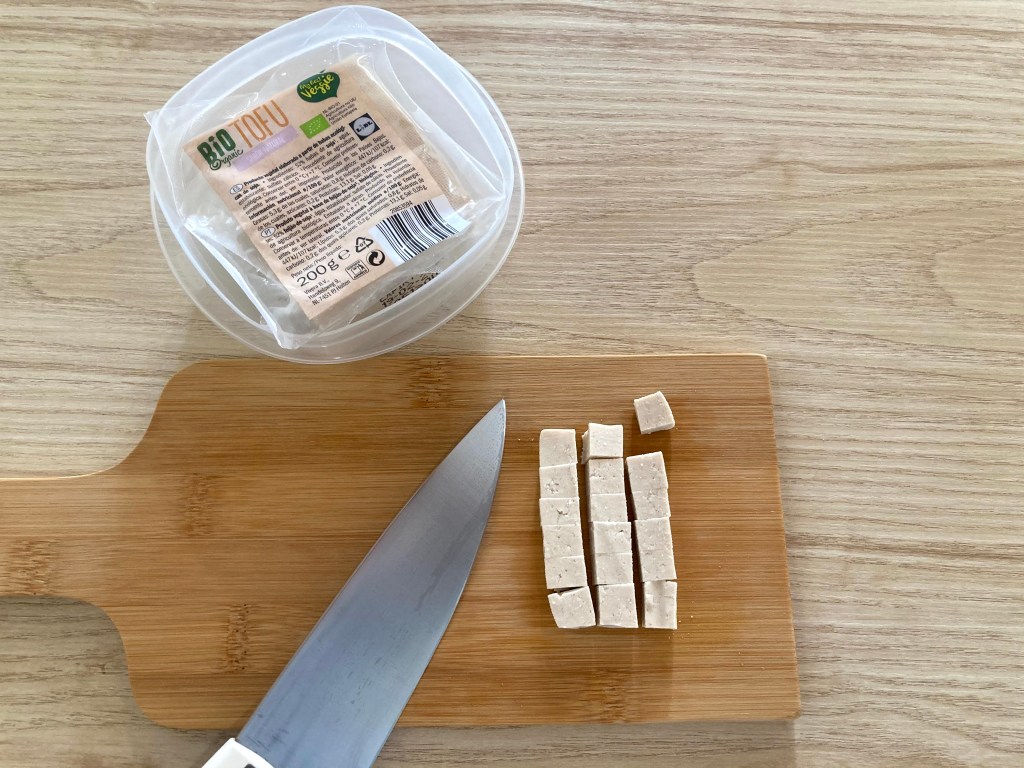
3. Cut tofu. Cut as much tofu4 as you like in small cubes (1-2cm or 1/2-1 inch). Tofu breaks easily and does not need to be cooked, so we add it at the end, after the miso. *But if you are cooking harder ingredients like vegetables, they should be added in the soup and cooked before the miso goes in.
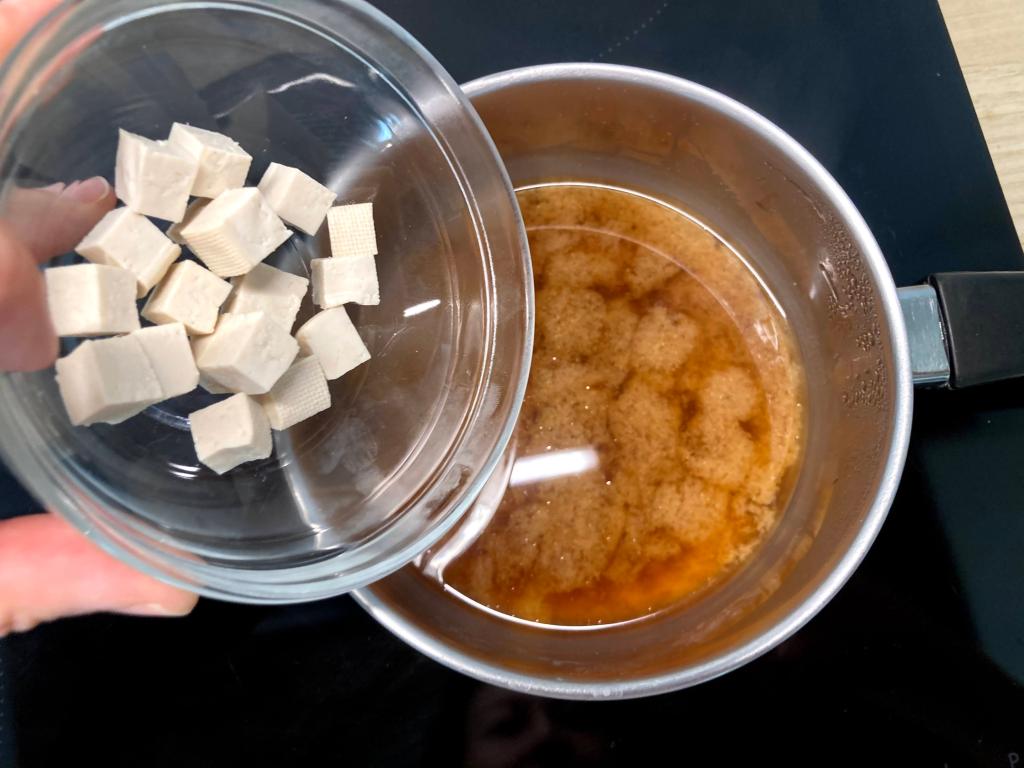
4. Add tofu. Add the tofu and your miso soup is done! Here, I am putting only about 20g, but add in as much as you want. Sprinkle negi5 or green onion when serving, and enjoy!
In Japan, instead of using a spoon, we eat miso soup directly from the bowl holding the bowl with both hands. Also, miso soup is usually eaten together with, and not before, the main dish, which may seem strange to many foreigners. This is why in Japanese restaurants overseas, they ask you when you want them to bring your miso soup, before or together with the meal. In Japan, they never ask this question and will always bring it together with the meal!
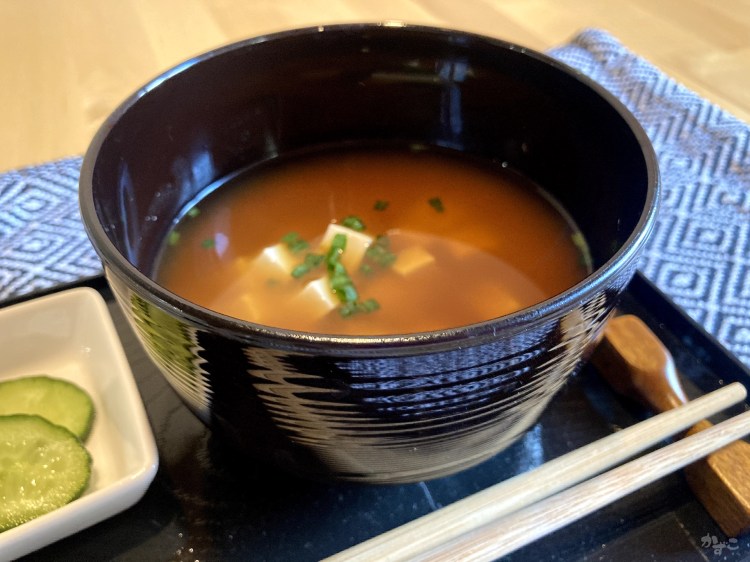
Easy, isn’t it? If you feel ready to get to move on to the next level, you can create your own Dashi instead of using powder, and experiment with different ingredients and different types of miso paste to create your own favorite miso soup!

 Kazuko's Recipes